Tulum, beyond its reputation for paradisiacal beaches, is also a destination rich in history and culture, a testament to the great Mayan civilization that once inhabited the region. Within this incredible destination, two significant archaeological sites stand out: Tulum and Muyil. Both offer a fascinating journey into the past and are key pieces of the cultural heritage preserved and shared with the world.
The Archaeological Zone of Tulum: A Beacon of Mayan Culture
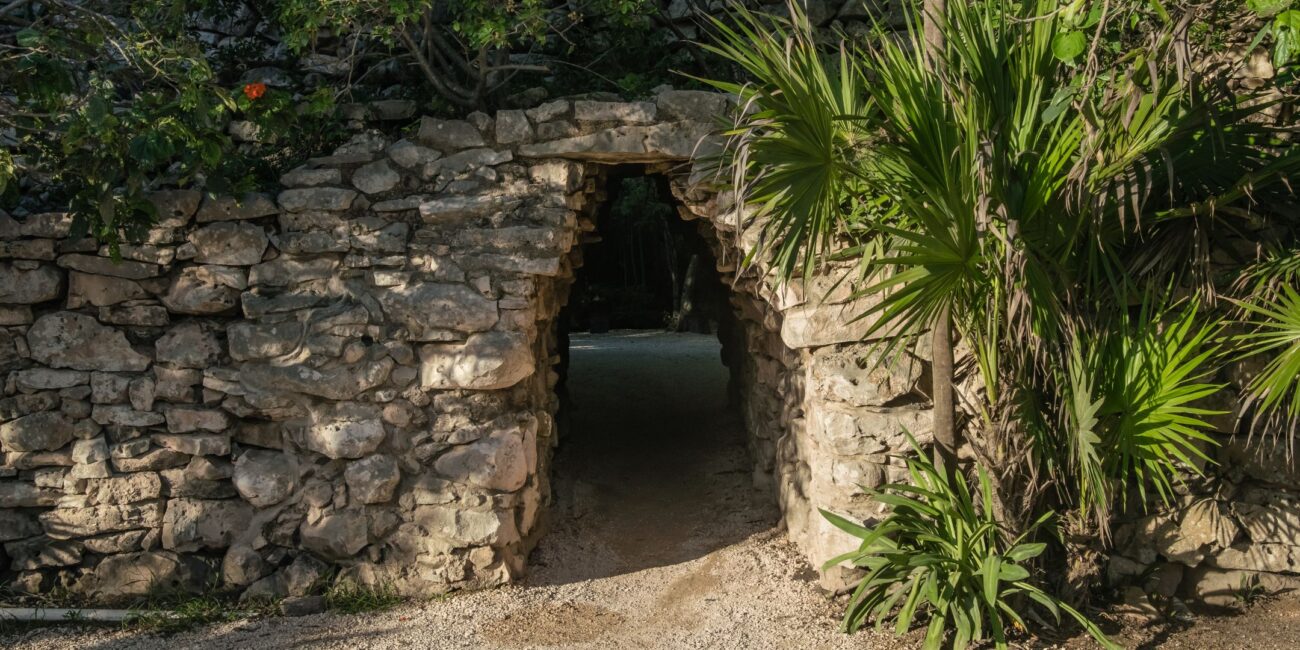
Tulum is one of the most visited archaeological sites in Mexico, not only due to its impressive location overlooking the Caribbean Sea but also because of its historical and cultural significance. This walled city was one of the last strongholds of the Mayan civilization and a vital trading port during the Late Postclassic period (1200-1521 AD).
According to the National Institute of Anthropology and History (INAH), Tulum welcomed over 2.2 million visitors in 2023, reinforcing its status as one of the most important tourist attractions in the region. Among its distinguished visitors are personalities such as Queen Elizabeth II, who visited the ruins in 1975, and more recently, artists and celebrities like Leonardo DiCaprio and Demi Lovato, who have been captivated by the combination of history and natural beauty that this site offers.
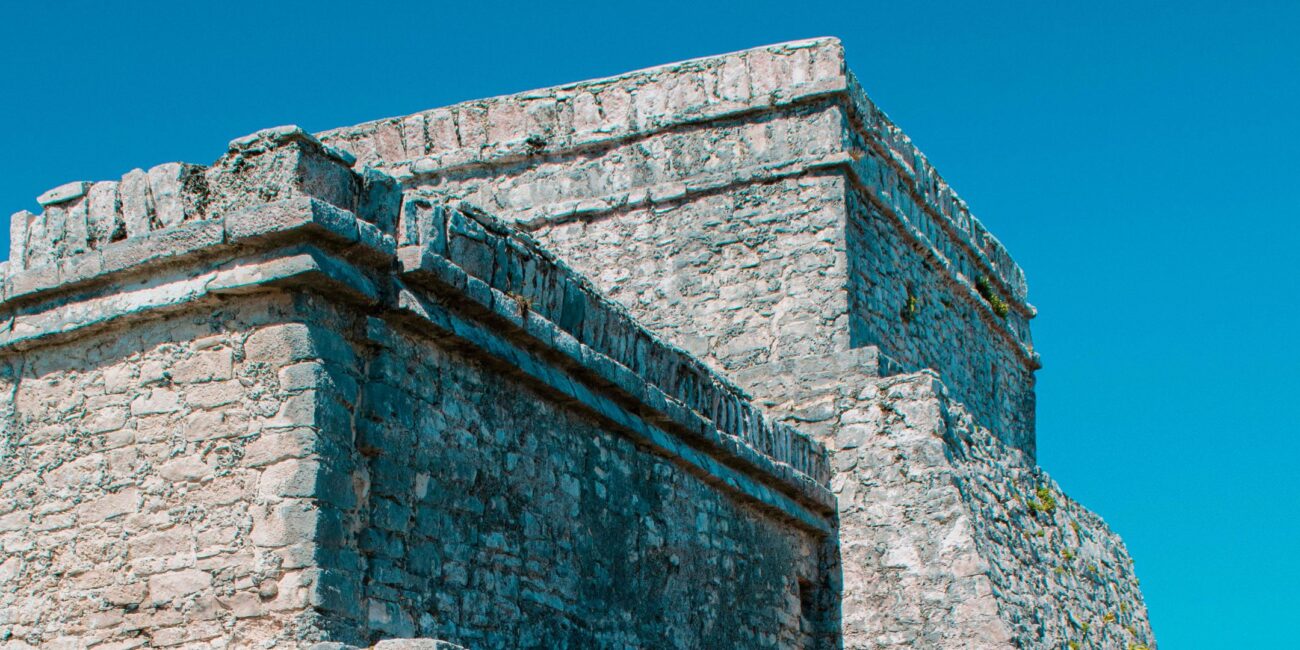
Apart from its stunning surroundings, Tulum is the only Mayan archaeological site located on a cliff overlooking the turquoise waters of the Caribbean Sea. Its structures, such as El Castillo, the Temple of the Frescoes, and the Temple of the Descending God, are extraordinary examples of late Mayan architecture, adorned with reliefs and inscriptions that reflect the sophistication and depth of this culture.
Muyil: The Gateway to the Sian Ka´an Biosphere
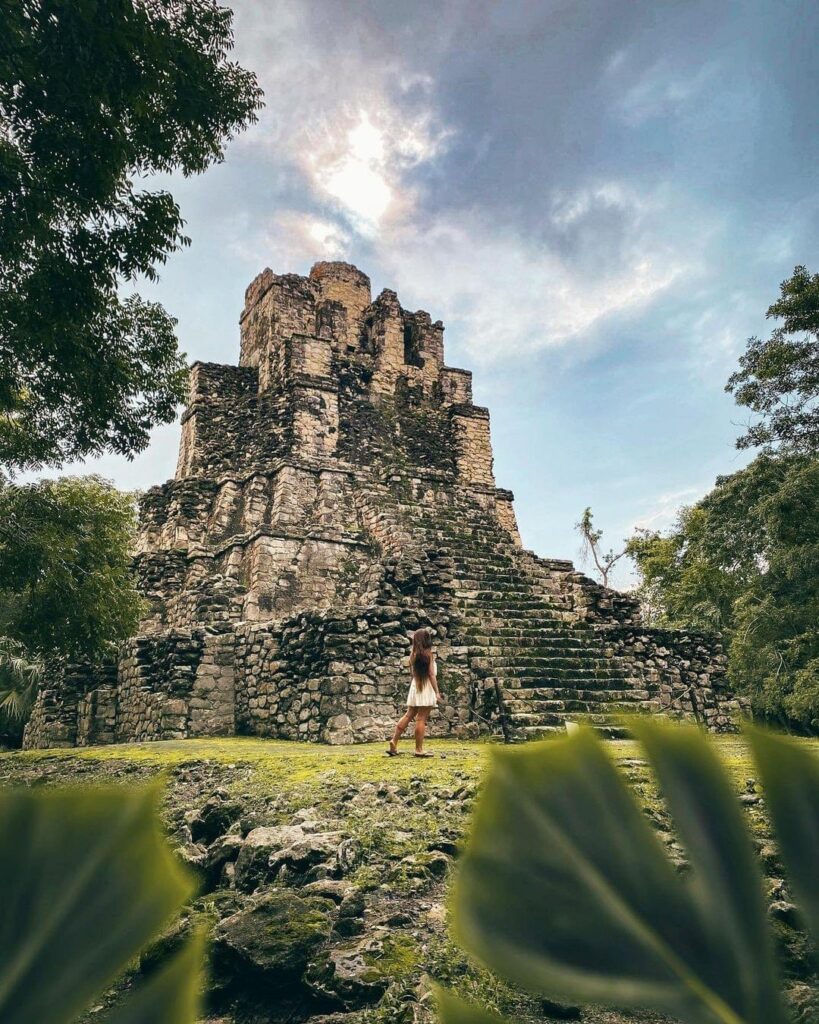
Just 20 kilometers south of Tulum lies the archaeological site of Muyil, less known but equally fascinating. Muyil was one of the earliest Mayan cities in the region, flourishing between 300 BC and 1200 AD. This site, located within the Sian Ka’an Biosphere Reserve, exemplifies the architectural development of the Maya and their profound connection with nature.
What makes Muyil particularly special is its integration with the surrounding ecosystems. As you walk through the site, you can see how the structures are enveloped by dense vegetation, creating a mystical atmosphere. Moreover, Muyil served as a significant trade hub, connecting the Mayan world with other civilizations through maritime and river routes that extended all the way to the Gulf of Mexico.
The INAH underscores the significance of Muyil not only for its archaeological value but also for its location within Sian Ka’an, one of the country’s most important natural reserves, recognized as a UNESCO World Heritage Site.
A Journey Through Time and Nature
Visiting the archaeological sites of Tulum and Muyil is like stepping into a world where history and nature are uniquely intertwined. These sites not only tell the story of the ancient Maya but also showcase how they lived in harmony with their environment, leaving a legacy that continues to be admired by thousands of visitors each year.
For those looking to immerse themselves in the rich cultural heritage of Tulum, these archaeological sites offer an experience not to be missed. And if you decide to make Tulum your home, 101 Park Tulum awaits you.
101 Park Tulum: A Vision to the future
A project for those who seek to enjoy a luxurious lifestyle






Deja una respuesta